Part-Time Person-Centered Approach Training in English
-
The training is structured in three modules:
-
First module: November 2026 to June 2027
-
Second module: September 2027 to June 2028
-
Third module: September 2028 to June 2029
-
-
Certificate of Attendance awarded after completing each module
-
Certificate of Completion awarded after completing all three modules
-
An experiential programme conducted in English, face-to-face in Prague
-
About one meeting per month, with a summer break in July and August
-
For professionals and motivated applicants from other backgrounds
Apply for the PCA Training
Do you want to enrich your personal or professional aptitude, enhance your communication skills, or desire to create more fulfilling and authentic personal and professional relationships?
Join our training group!
Whether you are seeking personal and/or professional growth, our program offers comprehensive training for many different people & professions (e.g., Helping Professions, Education, Management/HR, Law, and many more), and can be very useful for you.
A Few Words on the Person-Centered Approach
The Person-centered approach (PCA) is one of the most influential humanistic psychological approaches that was developed during the ‘50s by Carl Rogers. Roger’s ideas have had (and still have) a wide influence in the therapeutic theory and practice.
Moreover, many contemporary approaches to education, parenting, management, and social care are based on person-centered and Rogerian principles.
A respect for human existence, a deep belief in our inner strengths and an effort to understand humans’ potential and personal restrictions are all inherent in the person-centered approach.
Training Program Content and Goals
PCA training is mainly experiential. Following Carl Rogers core beliefs about the unique potential of each individual, this training stands out from the more traditional “student-teacher” approach.
Experiential learning is promoted primarily (but not only) by interacting with others and by experiencing yourself in/and the group process and one-on-one situations.
The training program’s scope is to provide the appropriate educational climate in order to facilitate each participant’s personal and professional growth.
Consequently, the training program is based on the following specific goals for each trainee:
-
Personal Development (self-awareness in a trusting environment)
-
Theoretical Knowledge (PCA theory)
-
Counselling and Communication Skills
-
Professional Development
Training Activities
A variety of training activities will be offered during the training such as experiential exercises,
special group activities and theoretical presentations, where participants are able to explore different aspects of themselves, their relationships and the therapeutic practice.
Supervision sessions and special topic groups are also part of the training program and participants will also have the chance to learn theory through different methods.
Participants Should:
● Be motivated to learn and open to personal development
● Have emotional & personal maturity and experience of life
● Have a sufficient basic understanding of the English language (oral and written)
● Have experience in group trainings, humanistic studies, or personal therapy (preferable, but not mandatory)
A meeting (in person or online) before the training will be necessary.
Training Dates for the 1st Year
2026
20-22 November (3 days)
12-13 December (2 days)
2027
16-17 January (2 days)
20-21 February (2 days)
20-21 March (2 days)
17-18 April (2 days)
15-16 May (2 days)
16-20 June (5 days)
At the end of each year, next year’s dates will be announced.
Certificates
-
Participants will get a Certificate of Attendance for each module completed.
-
Participants who successfully complete all three modules receive a Certificate of Completion.
-
The certificates will be issued by Person Center z. s., a member organisation of PCE Europe, and signed by the responsible qualified trainers.
-
The certificates will document the training period, scope, and methods, total contact hours, the programme content, and the trainers’ professional qualifications & signatures.
Price
The price is 60.000 CZK per module, which can be spread between up to 12 months.
Interested? Fill This Form
Please, don’t hesitate to contact us for more information:
Email: personcenter.praha@gmail.com
Tel.: 00420 736 770 991
Main Trainers
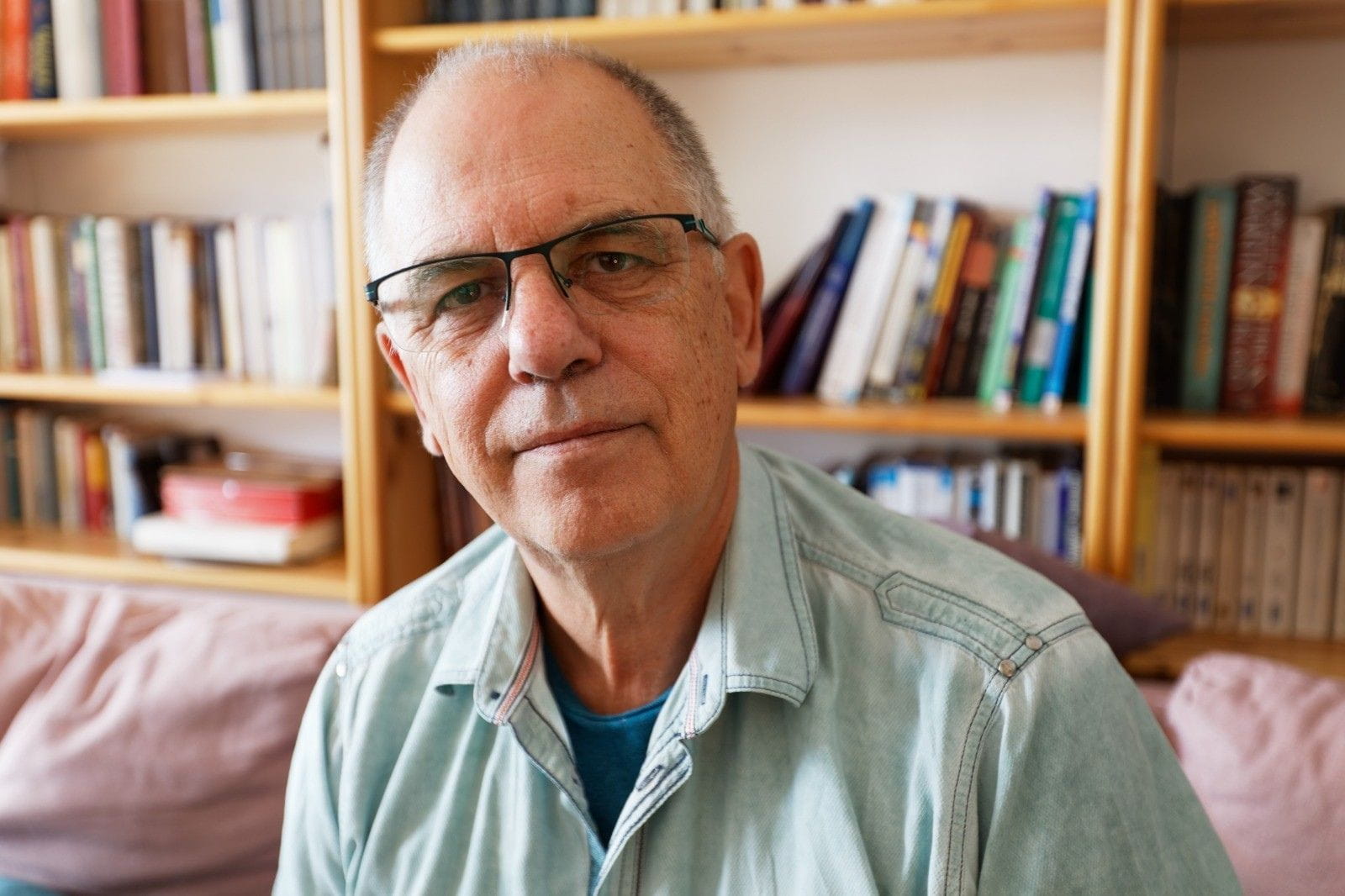
Willi Rös
Willi was born in Germany in 1955. In 1980 he went to France and he came to the Czech Republic in 2012. He studied Psychology and Pedagogics. As a psychotherapist, Willi completed his basic Person-Centred training in Germany and France. He subsequently completed additional training in Focusing and supervision. Since 2005, he has worked regularly as a PCA trainer, mainly in France. The professional organisation of PCA therapists has always been important for Willi so he committed himself to national and international organisations.
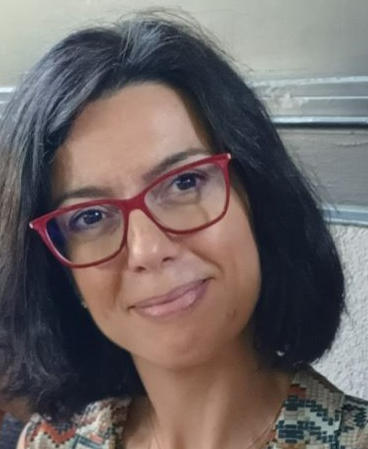
Ioanna Kousteni
Dr Ioanna Kousteni is a registered psychologist and certified person-centered psychotherapist (EAP). She has an MSc in Psychology and Media, a PhD in Clinical Psychology and a postdoc in couples therapy. Dr Kousteni provides individual, couples and group psychotherapy in her private practice in Athens, Greece, since 2005. She has been teaching psychotherapy and clinical psychology for the last 15 years in Greece & the UK, and she is the author and editor of several papers and books.
Trainee Trainers
Yonca Cankaya
Yonca is a counsellor who obtained both a BA and an MA in Psychology from the University of New York in Prague and is currently continuing psychotherapeutic training in the Person-Centered Approach. She offers counselling sessions to adolescents and adults, either online or in person at Person Center in Radlická. Guided by a strong belief in the inherent potential of every individual, she supports clients in developing greater self-awareness, personal growth, and well-being.
Mike Smith
Mike is currently working in Italy. He recently completed his PCA psychotherapeutical training.
Raquel Albano Fernandes
Raquel Albano is a psychologist who graduated from the University of São Paulo with experience as a licensed clinical psychologist in Brazil. She recently completed her training in PCA counselling.
Occasional Trainers
Daniela Rös
Daniela is a psychologist and therapist trained in the Person-Centered Approach (PCA) at PCA Institute Prague. Deeply influenced by Carl Rogers’ philosophy, she actively promotes the development and recognition of the Person-Centered Approach. She is an author and translator of professional publications on PCA. She works at the counseling center of the Czech Technical University (ČVUT) and runs a private psychotherapy practice with adults, adolescents, and children. In addition, she provides supervision, teaches and trains at Person Center and PCA Institute Prague.